
Trend Trading
Trend trading is one of the most effective strategies in Forex. By following the prevailing market direction, traders can maximize profits while reducing false entries caused by short-term fluctuations.
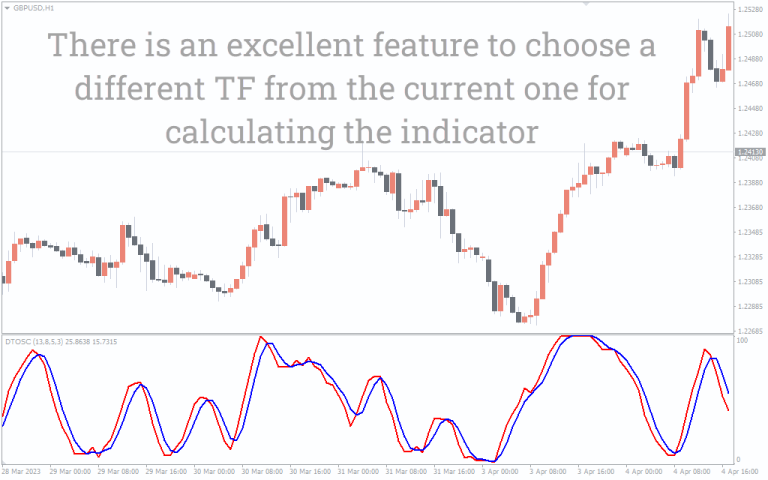
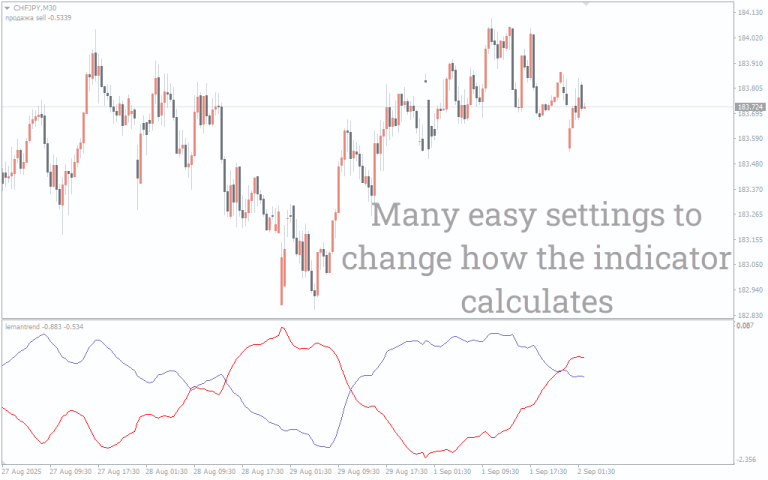
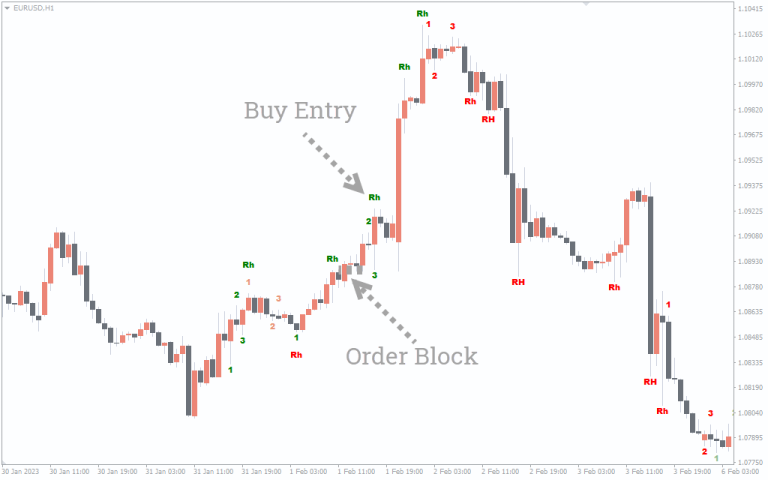
Our Trend Trading MT4 indicators make it easy to identify whether the market is trending upward, downward, or moving sideways. These free downloads provide clear visual signals, helping traders align with the dominant trend and avoid trading against momentum.


FAQs About Trend Trading
What is trend trading in Forex?
Trend trading is a strategy where traders follow the market’s dominant direction — either bullish (uptrend) or bearish (downtrend). The goal is to ride the trend until signs of reversal appear.
How do trend trading indicators work in MT4?
Trend indicators analyze price data to:
-
Identify trend direction (up, down, or sideways)
-
Confirm trend strength
-
Provide entry and exit points aligned with the dominant move
Examples include moving averages, ADX, and custom MT4 trend-following tools.
-
Are trend indicators free for MetaTrader 4?
Yes. Many trend trading indicators are free to download and install in MT4. Some advanced versions include features like alerts, dashboards, or multi-timeframe confirmation.
What are the most popular trend indicators in MT4?
-
Moving Averages (SMA, EMA)
-
MACD (trend and momentum)
-
Average Directional Index (ADX)
-
Ichimoku Kinko Hyo
-
Custom non-repainting trend arrows
-
What timeframes are best for trend trading?
-
M15 to H1: For short-term trend following
-
H4 to Daily: For swing and medium-term trading
-
Weekly charts: For long-term position trades
-
Is trend trading good for beginners?
Yes. Trend trading is one of the most beginner-friendly strategies because it:
-
Aligns trades with market momentum
-
Reduces false signals compared to counter-trend trading
-
Provides clearer entry and exit opportunities
-
Can trend trading indicators be combined with other tools?
Absolutely. Many traders combine trend indicators with:
-
Momentum indicators (RSI, Stochastic) for confirmation
-
Support and resistance levels for entry zones
-
Volume indicators to validate trend strength
-